Date : 14th to 15th April , 2026
Date : 01/July/2025
Grain markets (mandis) are a vital part of India’s agricultural ecosystem. They act as key hubs where farmers bring their produce, traders operate, and food enters the larger supply chain. Maintaining hygiene in these spaces is not optional—it is essential.
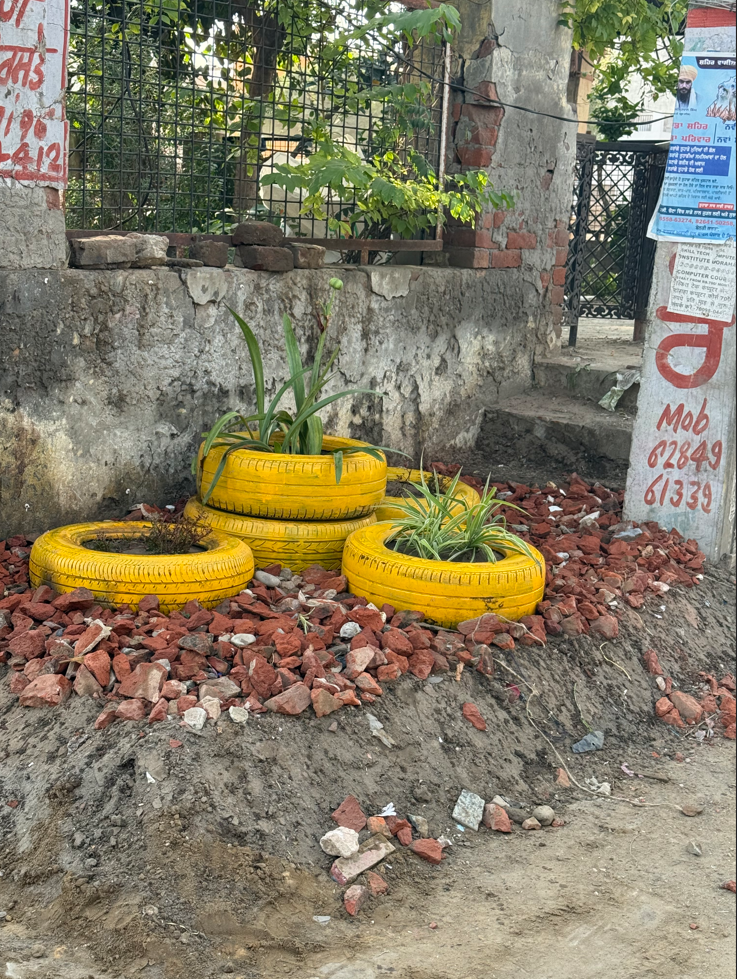
Vatrukh Foundation and Nagar Council Doraha collaborative efforts. Food grains are essential for our survival so it is utmost important for us to keep Dana Mandi clean. Create more Green spaces. Grow more trees. Garbage dumps are breeding ground for diseases. A special thanks to @peepalbaba for inspiring us in his videos. Make you City, town and village garbage free. #doraha #punjab #swachbharatabhiyan #solidwastemanagement #garbagefreecity
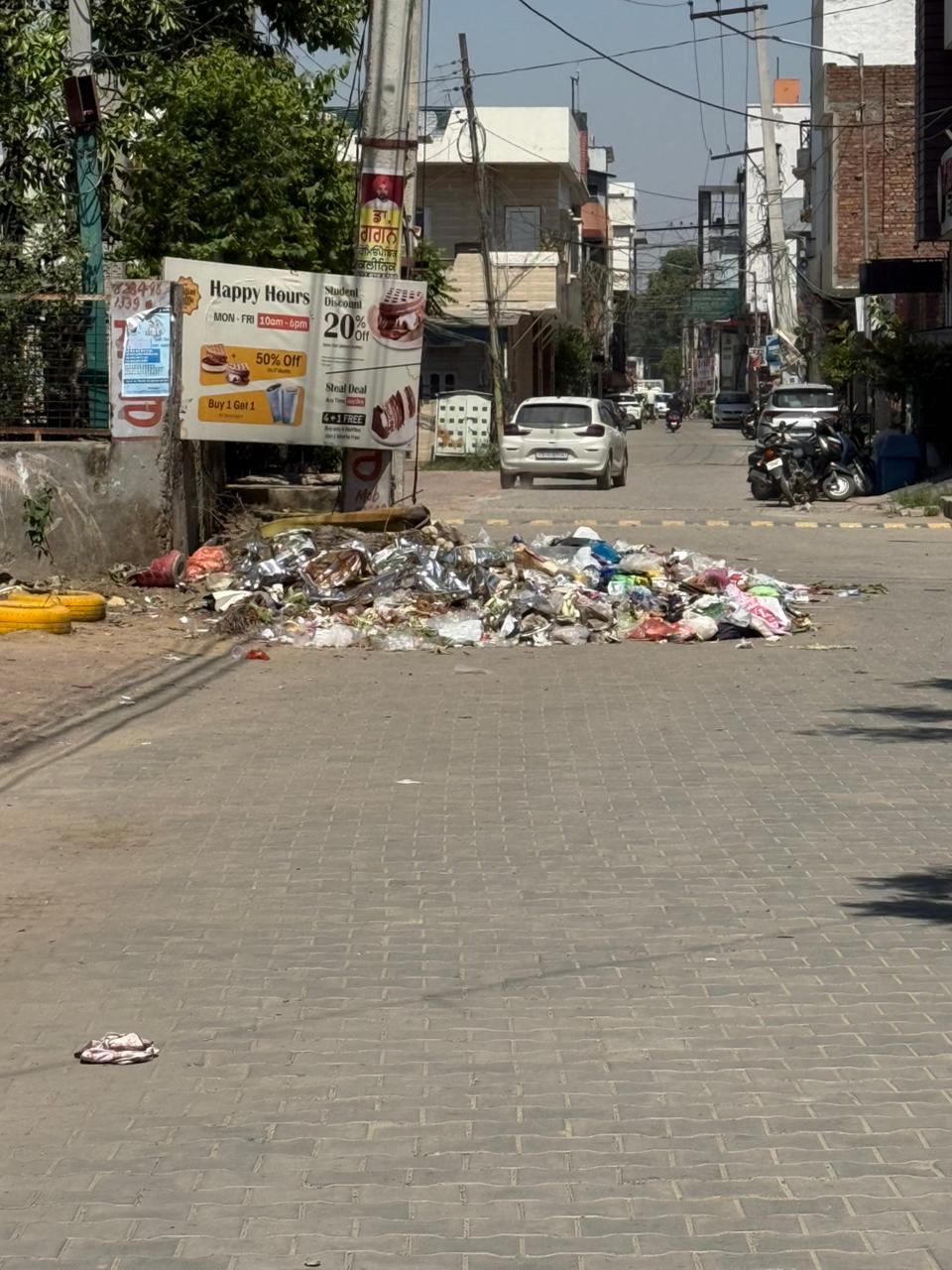
However, the growing presence of garbage dumps within mandi premises, often in central areas, poses a serious challenge. These dumps are not just a sanitation issue; they directly threaten food safety. Rotting waste attracts flies, rodents, and stray animals, all of which can contaminate food grains and increase the risk of disease transmission.
The economic impact on farmers and traders is immediate. Contaminated or foul-smelling produce often fetches lower prices, leading to financial losses and damaging the credibility of the market. Over time, this affects trust in the mandi system itself.
Poor waste management in grain markets also reflects gaps in coordination between municipal authorities and market committees. Waste collection points are frequently mismanaged, irregularly cleared, or allowed to become permanent dumping sites. This not only creates unhygienic working conditions for labourers and visitors but also contributes to environmental degradation through soil and water contamination.
Addressing this issue requires a systematic approach. One-time clean-up drives are not enough. There is a need for:
The recent clearing of a garbage dump from the centre of Dana Mandi, Doraha (District Ludhiana), highlights both the scale of the problem and the possibility of change when action is taken.
This issue aligns with key Sustainable Development Goals (SDGs):
Clean grain markets are fundamental to ensuring food safety, protecting public health, and securing fair returns for farmers. Strengthening waste management in mandis is not just a civic responsibility—it is critical to the integrity of the entire food supply chain.
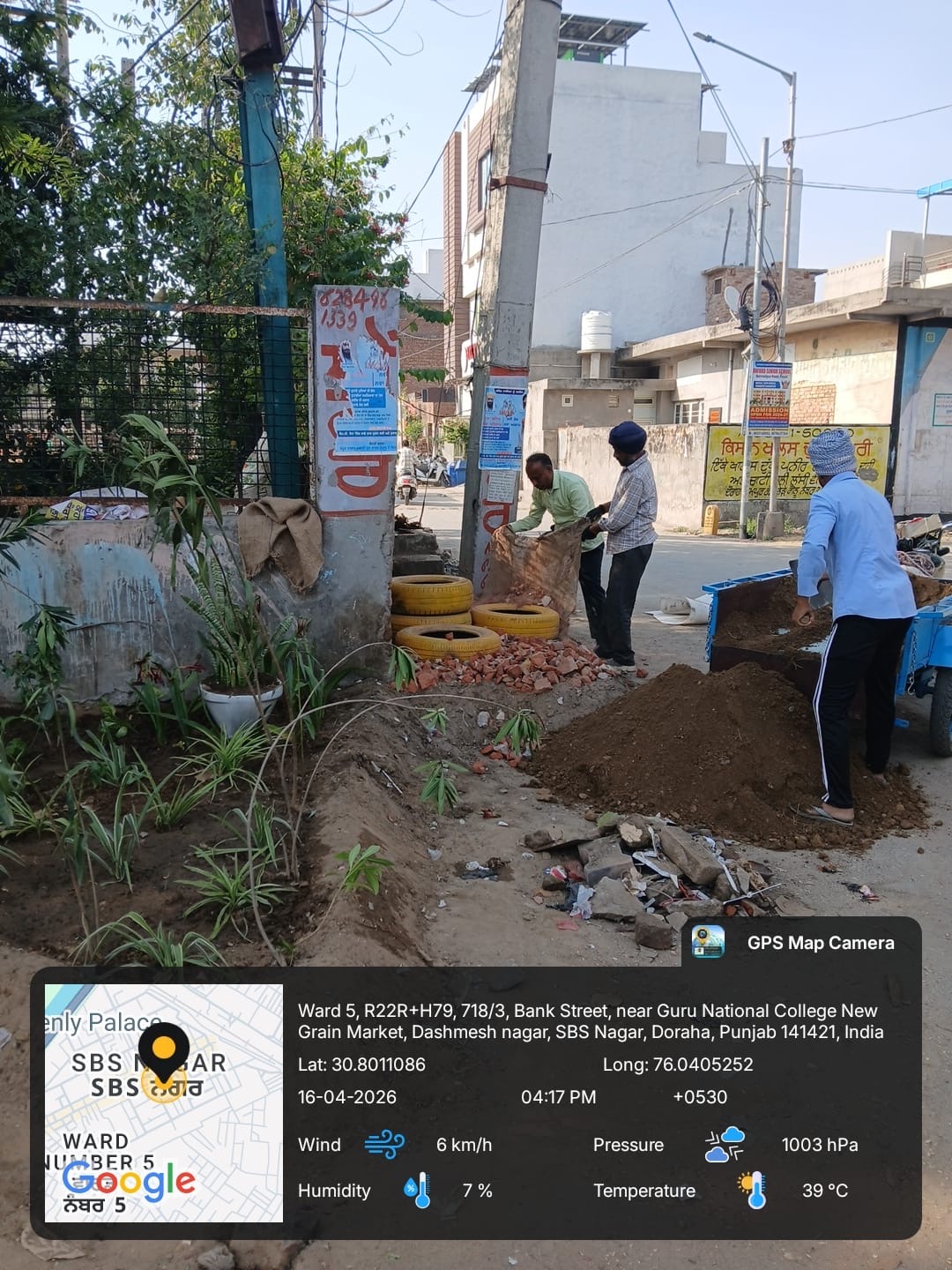
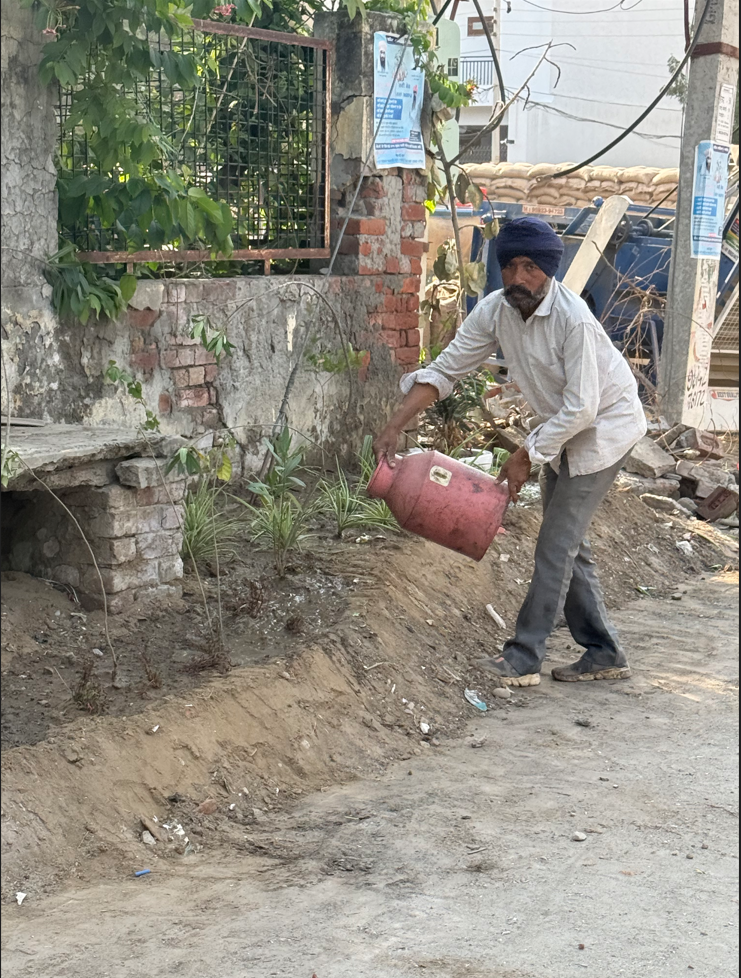
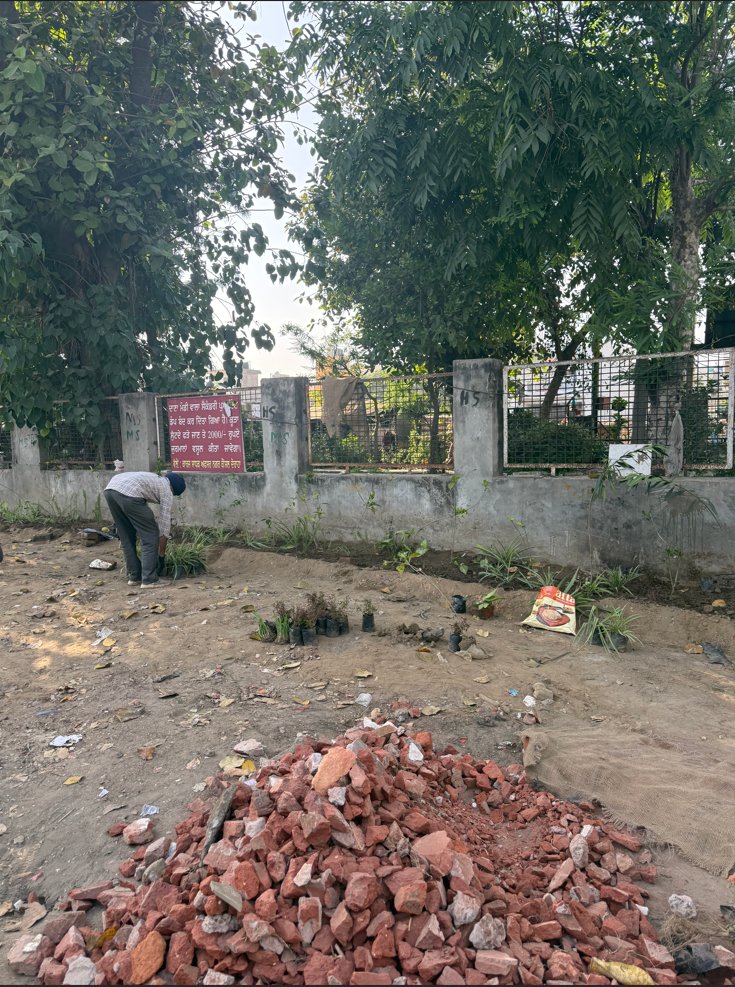
Vatrukh Foundation believes in citizens outreach programme, involvement of stakeholders, research based solutions. Community participation for implementation to drive fair, lasting change in society.

Your support helps us reach people in need faster, continue relief work, and make a lasting difference.
Vatrukh Foundation empowers citizens with tools like petitions, research, and outreach so they can engage with decision-makers, hold them accountable, and drive fair, lasting change in society.


.png)
.png)
.png)

.png)
.png)