
Date : 01/July/2025
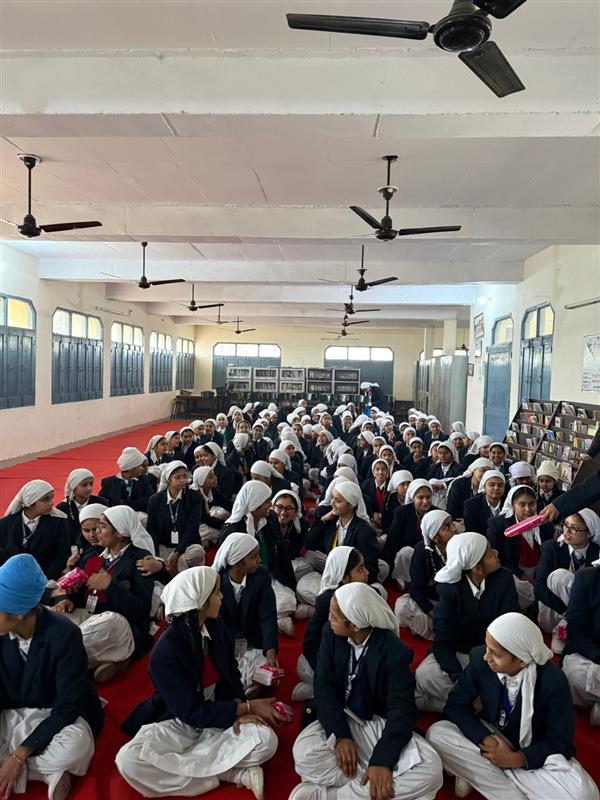
Vatrukh Foundation recognizes menstrual hygiene and comprehensive female health as essential components of climate resilience. By promoting access to safe menstrual products, climate resilient sanitation, health education, and community led dialogue, the Foundation works to ensure that women and girls can manage their health with dignity even in the face of environmental uncertainty and participate fully in adaptation and recovery efforts.
Menstrual hygiene and women’s reproductive health are central to dignity, health, education, equality, and economic independence. Yet millions of girls and women still lack access to safe menstrual products, clean toilets, privacy, health services, and correct information. Addressing these gaps is essential for a healthy and just society.
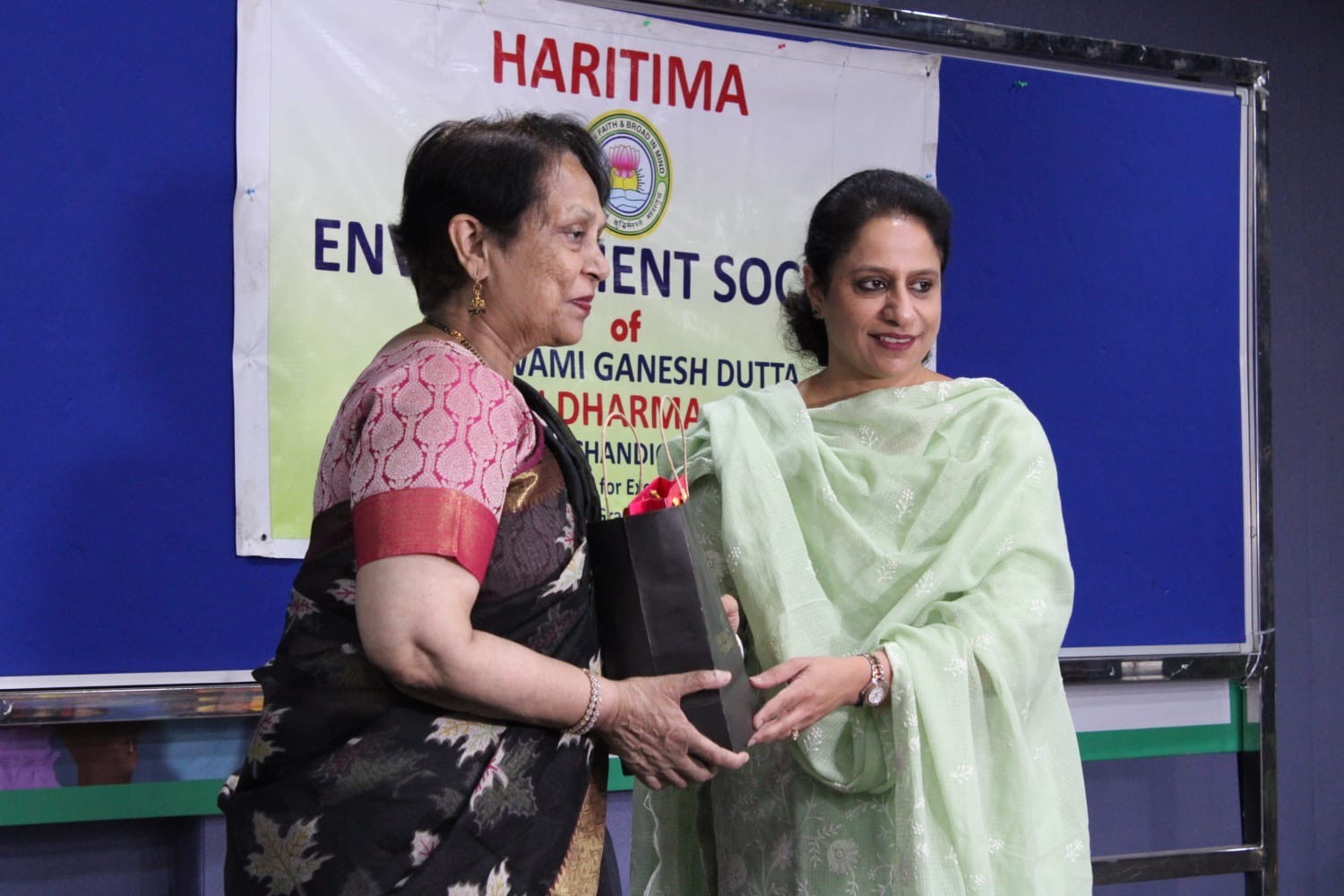
Poor menstrual hygiene can lead to:
Safe hygiene helps prevent illness and improves wellbeing.
Silence, stigma, and shame cause:
Normalising periods builds confidence and dignity.
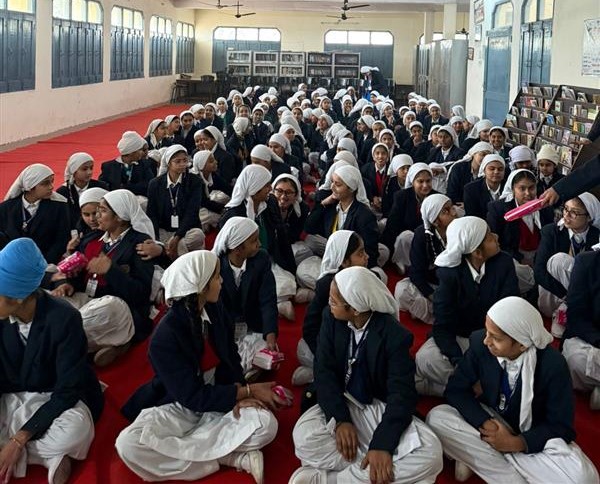
Many girls miss school during periods due to:
This leads to learning loss and drop-outs. Safe facilities help girls stay in school.
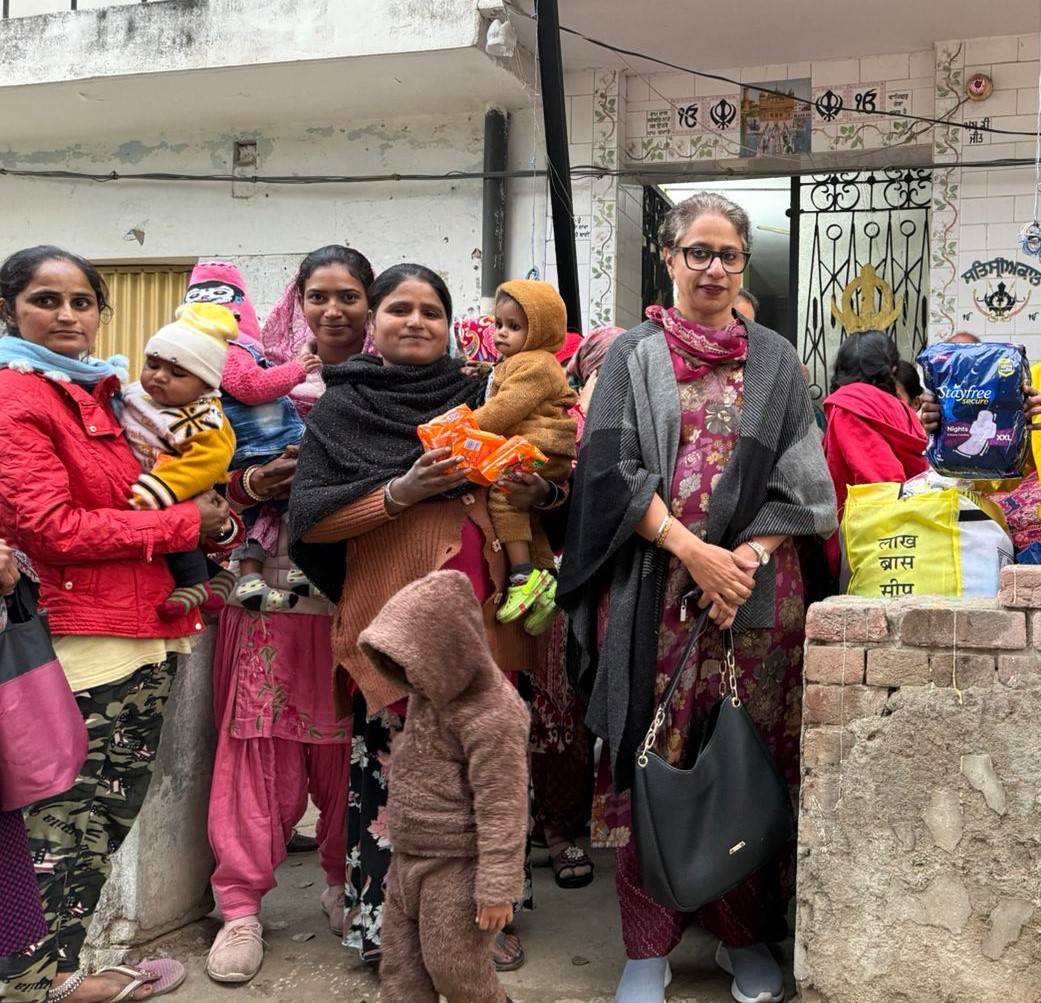
When girls and women don’t have access to:
their mobility, participation, and dignity suffer. Menstrual hygiene is a human rights issue.
Women’s health problems affect:
Awareness supports early detection of:
Screening and timely care save lives.
Menstrual hygiene and women’s health are not “special issues.”
They are public health, human rights, and development priorities.
When women thrive — families, communities, and nations thrive.
Vatrukh Foundation recognizes menstrual hygiene and comprehensive female health as essential components of climate resilience. By promoting access to safe menstrual products, climate resilient sanitation, health education, and community led dialogue, the Foundation works to ensure that women and girls can manage their health with dignity even in the face of environmental uncertainty and participate fully in adaptation and recovery efforts.
Menstrual hygiene and women’s reproductive health are central to dignity, health, education, equality, and economic independence. Yet millions of girls and women still lack access to safe menstrual products, clean toilets, privacy, health services, and correct information. Addressing these gaps is essential for a healthy and just society.
Poor menstrual hygiene can lead to:
Safe hygiene helps prevent illness and improves wellbeing.
Silence, stigma, and shame cause:
Normalising periods builds confidence and dignity.
Many girls miss school during periods due to:
This leads to learning loss and drop-outs. Safe facilities help girls stay in school.
When girls and women don’t have access to:
their mobility, participation, and dignity suffer. Menstrual hygiene is a human rights issue.
Women’s health problems affect:
Awareness supports early detection of:
Screening and timely care save lives.
Menstrual hygiene and women’s health are not “special issues.”
They are public health, human rights, and development priorities.
When women thrive — families, communities, and nations thrive.

.png)
.png)

Vatrukh Foundation believes in citizens outreach programme, involvement of stakeholders, research based solutions. Community participation for implementation to drive fair, lasting change in society.

Your support helps us reach people in need faster, continue relief work, and make a lasting difference.
Vatrukh Foundation empowers citizens with tools like petitions, research, and outreach so they can engage with decision-makers, hold them accountable, and drive fair, lasting change in society.


.png)
.png)
.png)
